Source Subwoofer Digital Amp Board for Home Commercial Industrial
Source 30 subwoofer digital amp board options from verified suppliers. Compare specifications like frequency response, power output, and certifications to find the right solution for home, commercial, and industrial audio systems; compare the available evidence and request quotations based on your requirements.
Key considerations
Products List


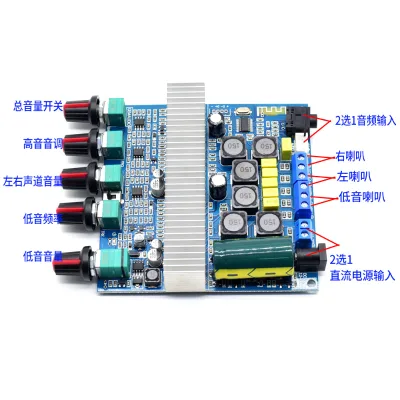
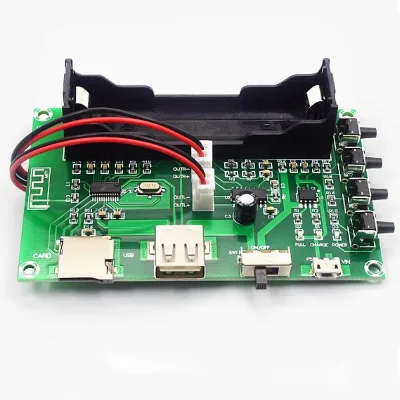
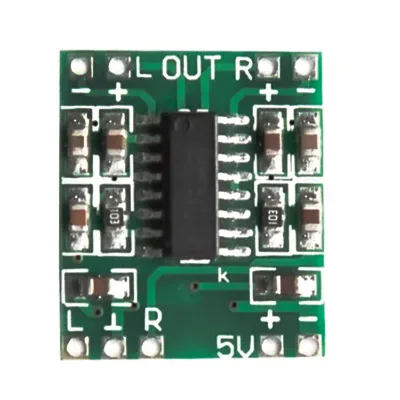
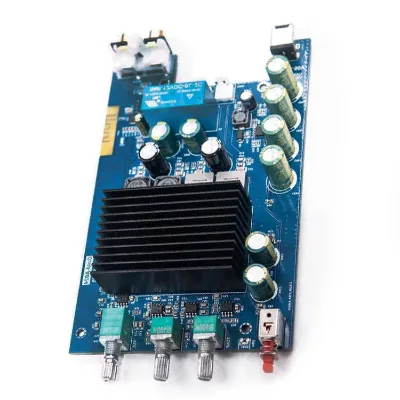


Comprehensive Sourcing Guide
Subwoofer Digital Amp Board Sourcing Guide
Product Scope and Observed Listing Signals
The market for subwoofer digital amplifier boards encompasses a diverse range of components, from dedicated subwoofer modules to general-purpose amplifier boards capable of driving low-frequency drivers. Current listings indicate a product count of thirty distinct items, with observed price points ranging from $0.05 to $5,768 USD. This wide variance suggests that buyers are sourcing everything from basic passive components to high-power, integrated active systems. The minimum order quantity (MOQ) typically spans from one unit to one hundred, indicating flexibility for both prototyping and small-batch commercial production. Buyers must carefully distinguish between simple amplifier boards and complete subwoofer systems, as the technical requirements and integration complexity differ significantly between these categories.
Observed product attributes reveal a strong emphasis on customization and specific performance metrics. Many suppliers offer OEM/ODM services, allowing for tailored solutions in terms of color, plug quantity, and standard configurations. The presence of LCD screen monitors and remote control operation modes in some listings points toward advanced user interfaces, while other entries focus on pure electrical performance with specifications like 1000W power output and 8-ohm impedance. It is crucial to verify whether the listed product is a standalone board or a complete module, as this affects installation requirements and system compatibility. The origin of these products is predominantly China, which is a common hub for electronic component manufacturing, offering competitive pricing but requiring rigorous quality verification.
Technical Specifications to Verify
When evaluating subwoofer digital amplifier boards, frequency response and distortion metrics are critical indicators of audio fidelity. Buyers should verify that the frequency response covers the essential low-frequency range, typically extending down to 20Hz or lower, with a tolerance of +/-1.5dB to ensure consistent performance. Total Harmonic Distortion (THD) should be minimal, ideally below 0.05% across the 20Hz-20kHz range, to prevent audio artifacts during high-volume playback. Additionally, the damping factor, which should exceed 100 at 8 ohms, is vital for controlling driver movement and ensuring tight, accurate bass reproduction. These parameters directly impact the clarity and impact of the subwoofer output, making them non-negotiable for high-fidelity applications.
Power handling and impedance matching are equally important technical considerations. The amplifier board must support the specific impedance of the connected subwoofer, commonly 8 ohms, and deliver sufficient power, such as 1000W, without overheating or clipping. Input impedance, often specified as 20kohm balanced or 10kohm unbalanced, ensures proper signal transfer from the source. Buyers should also check the conversion rate and gain settings, such as a maximum gain of 39.1dB at a 1.2V setting, to ensure compatibility with various audio sources. Coverage patterns, if applicable, and maximum SPL ratings, like 135 dB, provide insight into the board's capability to drive large drivers in demanding environments.
Compliance and Safety Documentation
Certification is a primary requirement for ensuring that subwoofer digital amplifier boards meet international safety and electromagnetic compatibility standards. Buyers must verify that products carry recognized certifications such as CE and CCC, which indicate compliance with European and Chinese safety regulations respectively. RoHS certification is also essential for ensuring that the components are free from hazardous substances, which is critical for environmental compliance and market access in many regions. These certifications provide a baseline assurance of product safety and quality, reducing the risk of regulatory issues during importation and sale. Without proper documentation, buyers may face significant legal and logistical hurdles.
In addition to certifications, adherence to specific electrical standards is necessary for safe operation. Products should comply with IEC standards, particularly regarding voltage and current ratings, such as 10A and 250V AC for connected components. The grounding method, whether standard or specialized, must be clearly defined to prevent electrical hazards. IP ratings, although often not applicable to internal boards, should be checked if the product includes external connectors or switches. Buyers should request detailed test reports and compliance certificates from suppliers to validate these claims. Ensuring that all documentation is up-to-date and verifiable is a critical step in mitigating risk and ensuring long-term reliability.
Cost Drivers and Commercial Terms
The cost of subwoofer digital amplifier boards is influenced by several factors, including power output, component quality, and customization options. Higher power ratings, such as 1000W, and advanced features like LCD screens and remote controls typically command higher prices. Customization services, including OEM/ODM capabilities, add to the cost due to the additional engineering and setup required. Buyers should also consider the packaging method, as standard export cartons or strong wooden frames may affect shipping costs and product protection. Understanding these cost drivers helps in budgeting accurately and negotiating favorable terms with suppliers.
Commercial terms, such as MOQ and lead times, play a significant role in the overall procurement strategy. While MOQs can be as low as one unit, larger orders may offer better per-unit pricing. Lead times can vary based on the complexity of the order and the supplier's production capacity. Buyers should clarify payment terms, warranty policies, and after-sales support before finalizing any agreement. It is also important to consider the total cost of ownership, including shipping, customs duties, and potential returns. Transparent communication with suppliers regarding these terms can prevent unexpected expenses and ensure a smooth procurement process.
Supplier Qualification and Quality Control
Selecting a reliable supplier is crucial for obtaining high-quality subwoofer digital amplifier boards. Buyers should verify the supplier's manufacturing capabilities, including their production facilities and quality control processes. Suppliers with a history of producing certified products and adhering to international standards are generally more trustworthy. It is advisable to request samples before placing large orders to evaluate the product's performance and build quality. Checking the supplier's reputation through customer reviews and industry references can also provide valuable insights into their reliability and service quality.
Quality control measures should be clearly defined and enforced throughout the production process. Buyers should ensure that suppliers conduct rigorous testing, including functional tests and durability checks, before shipping. Documentation of these tests, such as test reports and inspection certificates, should be provided for verification. Implementing a pre-shipment inspection can help identify any defects or discrepancies before the goods leave the factory. Establishing a clear communication channel with the supplier for addressing any issues is also essential. A proactive approach to quality control can significantly reduce the risk of receiving defective products and ensure customer satisfaction.
Long-Term Procurement Checks
Long-term procurement success depends on continuous monitoring of supplier performance and product quality. Buyers should establish key performance indicators (KPIs) to track metrics such as delivery times, defect rates, and customer feedback. Regular audits of the supplier's quality control processes can help identify areas for improvement and ensure ongoing compliance with standards. Maintaining open communication with the supplier regarding any changes in product specifications or regulations is also important. This proactive approach helps in adapting to market changes and maintaining a competitive edge.
Additionally, buyers should stay informed about technological advancements in subwoofer amplifier technology. Regularly reviewing product offerings and comparing them with industry benchmarks can help identify opportunities for improvement or cost savings. Building a diverse supplier base can mitigate risks associated with single-source dependency. Developing a strategic relationship with suppliers based on mutual trust and transparency can lead to better pricing, priority service, and collaborative innovation. By focusing on long-term partnerships and continuous improvement, buyers can ensure a stable and efficient supply chain for their subwoofer digital amplifier boards.
FAQs
What certifications do subwoofer digital amp boards have?
These units typically carry CE and CCC certifications for safety compliance. Some models also include RoHS certification to ensure environmental standards are met. Buyers should verify specific documentation for each supplier to confirm the exact certification list before placing an order.
Can I customize the subwoofer digital amp board specifications?
Yes, customization is available for many models to meet specific project needs. Suppliers often welcome OEM and ODM requests to adjust features like frequency response or power output. Buyers should discuss their unique requirements directly with manufacturers to ensure the final product matches their design goals.
What is the frequency response range for these amplifiers?
The frequency response typically spans from 20Hz to 20kHz with a tolerance of plus or minus 1.5dB. Some specific models may offer a range of 55Hz to 20kHz depending on the design. This ensures high-fidelity audio reproduction suitable for both home and commercial applications.
How much power can the subwoofer digital amp board handle?
Certain models are rated for a maximum power output of 1000W. The gain can reach up to 80dB with a maximum gain setting of 39.1dB at 1.2V. These specifications support high-performance audio systems requiring significant power delivery for deep bass reproduction.
Where are these subwoofer digital amp boards manufactured?
The products originate from China and China Mainland facilities. Manufacturers use standard export cartons or neutral packing for shipping. Buyers can expect consistent quality from these regions while verifying lead times and shipping terms with individual suppliers before finalizing procurement agreements.
What is the minimum order quantity for these boards?
The minimum order quantity ranges from 1 to 100 units depending on the supplier. Customization options may affect the required MOQ for specific orders. Buyers should confirm the exact quantity requirements with vendors to ensure they meet the production thresholds for their specific project needs.
What material is used for the subwoofer digital amp board housing?
Housing materials often include plastic or a combination of ABS and copper. These materials provide durability and effective heat dissipation for the internal components. The choice of material ensures the unit remains robust during operation in various commercial and residential environments.